PLAST_CELL takes centre stage at the Science Café: Can we predict cancer?

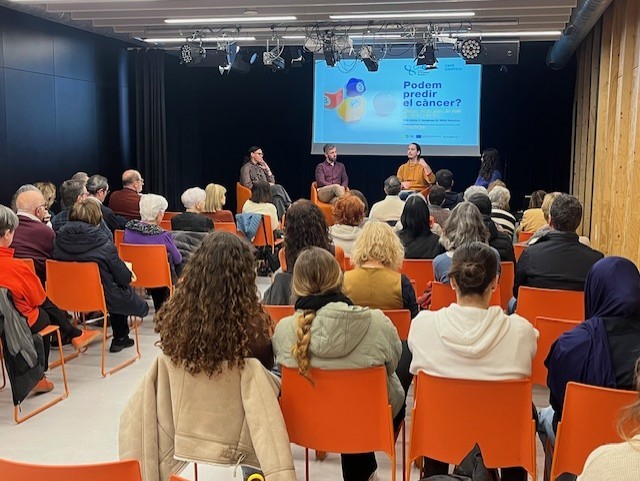
On 16 March 2026, PLAST_CELL featured in the CRG Science Café “Can we predict cancer?”, an outreach event to the general public held in Vil·la Urània (Barcelona), a civic center hosting scientific outreach events and to which we thank their collaboration. The event brought the project’s research on cellular plasticity and tumour aggressiveness closer to the public and explored how advances in understanding these processes may contribute to more precise diagnostics and improved prediction tools in oncology.

The session featured an excellent panel of experts: Alberto Zurita (researcher in PLAST_CELL, CRG), Maria Berdasco (Group Leader at the Josep Carreras Institute and bioethics expert), and Carlo Cicala (oncologist and researcher, VHIO). The session was moderated by Sara Abad (CRG).

The discussion was rich, well balanced and highly accessible, encouraging active dialogue between the experts and the public and fostering critical thinking and engagement around cancer research. This activity contributes to PLAST_CELL’s dissemination efforts by connecting its scientific foundations with broader societal questions on cancer prediction and personalised medicine.
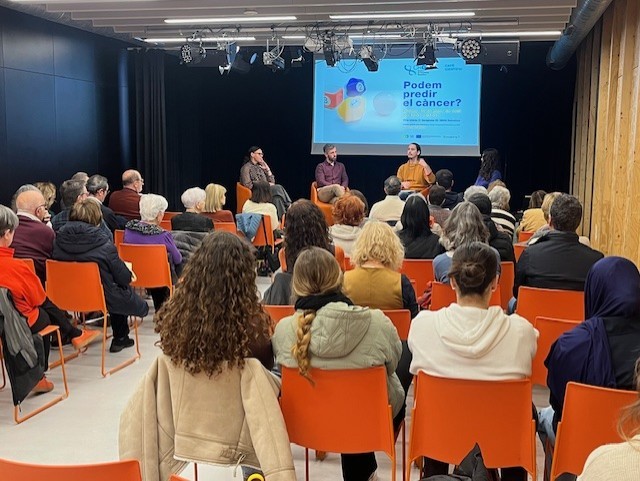
Panel of experts, moderator and public at one of the spaces in Vil·la Urània.
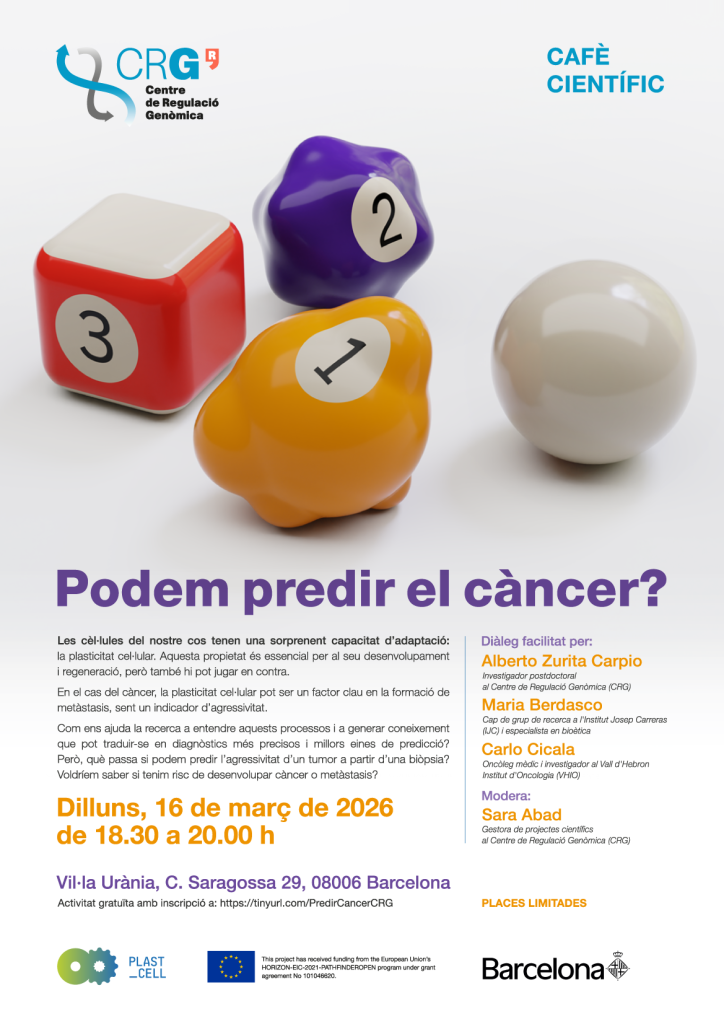
Original poster (in Catalan) to disseminate the event through different social media channels.
PLAST_CELL at SLAS Annual Meeting 2026, in Boston

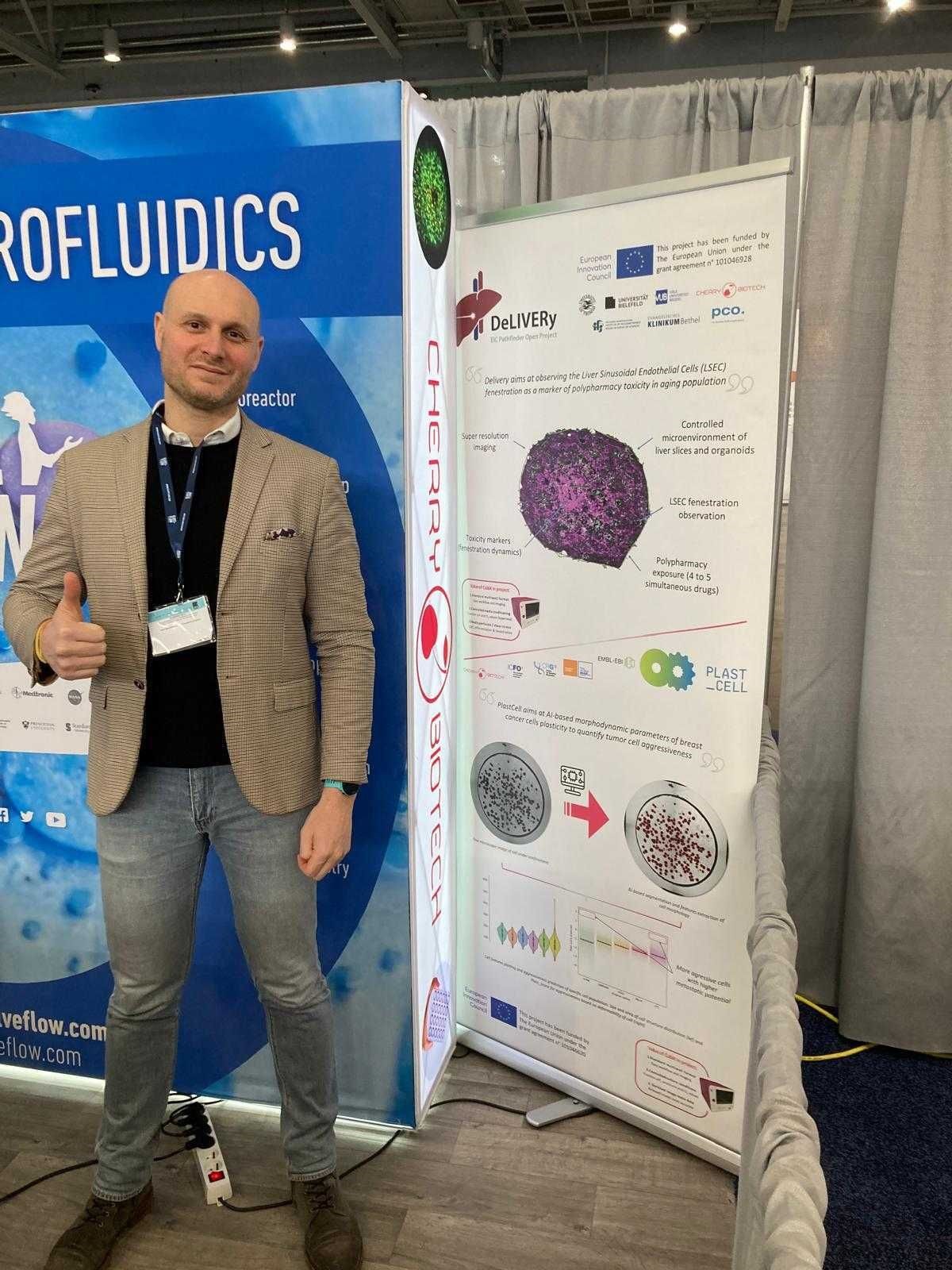
On 9-11 February 2026, PLAST_CELL was present at the society for Laboratory Automation and Screening (SLAS) 2026, the flagship international conference dedicated to life sciences discovery and laboratory automation, bringing together over 7,000 researchers and technology providers from academia and industry.

At the event, Cherry Biotech presented its latest innovations in organoid and organ-on-chip automation technologies, including the “Organoids Plate” platform. Within this framework, the PLAST_CELL project was highlighted through its work on AI-based morphodynamic quantification of breast cancer tumour cell aggressiveness, demonstrating how advanced imaging and analysis tools can contribute to more precise characterisation of tumour plasticity.

The participation in SLAS provided an excellent opportunity to engage with key stakeholders in the fields of laboratory automation, 3D cell culture, and translational oncology. Through discussions at the booth and networking activities, the project reinforced its visibility within an international ecosystem driving innovation in biomedical research and personalised medicine.

This presence contributes to the dissemination and exploitation objectives of PLAST_CELL by promoting its technological advances and fostering connections with both academic and industrial partners working at the forefront of next-generation cell-based models.

Jérémy Cramer at one of the booths in SLAS Annual Meeting in Boston, 9-11th February